
I Love Someone Rare- Rare Disease Day
Many of you already know our story, but as today is Rare Disease Awareness Day, I want to spread awareness about Tuberous Sclerosis Complex (TSC). For our family, TSC isn’t just a diagnosis—it’s a daily reality. Our daughter was diagnosed with TSC, and since then, we've navigated seizures, specialist appointments, procedures, and the uncertainty that comes with this condition. While TSC presents its challenges, it has also shown us the power of resilience, advocacy, and community.
What is Tuberous Sclerosis Complex (TSC)?
Tuberous Sclerosis Complex (TSC) is a rare genetic disorder that causes non-cancerous tumors to grow in various organs, including the brain, skin, heart, kidneys, and lungs. TSC presents differently in each individual—some people have mild symptoms, while others experience significant medical and developmental challenges. This unpredictability is particularly difficult for families because no one can tell them what life will be like in 5, 10, or 20 years. Many factors can affect a child’s future, including early diagnosis, early intervention therapies, seizure control, and environmental influences.
How Common is TSC?
🔹 It affects about 1 in 6,000 people worldwide.
🔹 Many cases occur sporadically (due to a random mutation), but it can also be inherited from a parent with TSC.
Common Symptoms
Individuals with TSC are at higher risk for neurological disorders due to how TSC affects the brain. Some of the most common neurological challenges include:
🔹 Epilepsy & Seizures – Up to 85% of people with TSC experience seizures, including focal seizures and infantile spasms. This is usually the first noticeable symptom.
🔹 TSC-Associated Neuropsychiatric Disorders (TAND) – This umbrella term includes learning disabilities, autism, ADHD, anxiety, depression, and behavioral challenges.
🔹 Autism Spectrum Disorder (ASD) – A significant percentage of individuals with TSC are diagnosed with autism or exhibit autism-like traits.
🔹 Intellectual Disability – Some individuals experience mild to severe learning difficulties, though intelligence levels vary widely.
🔹 Neuropsychiatric Disorders – Increased risk of anxiety, OCD, depression, and mood disorders.
Since TSC can cause structural brain abnormalities (such as cortical tubers or subependymal nodules), it significantly impacts neurological function and development. Regular neurological monitoring is crucial to managing these risks.
Other common symptoms include:
🔹 Skin Changes – White patches (hypomelanotic macules), facial bumps (angiofibromas), or thickened skin (shagreen patches).
🔹 Kidney Tumors (Angiomyolipomas) – Can grow over time and, in some cases, cause complications.
🔹 Heart & Lung Conditions – Heart tumors (rhabdomyomas) are common in infants, while lung disease (LAM) primarily affects adult women.
How is TSC Diagnosed?
Because symptoms vary widely, doctors use a combination of:
✔ Genetic testing
✔ Brain MRIs
✔ Kidney ultrasounds
✔ Skin exams
✔ EEGs (to check for seizure activity)
to diagnose and monitor TSC.
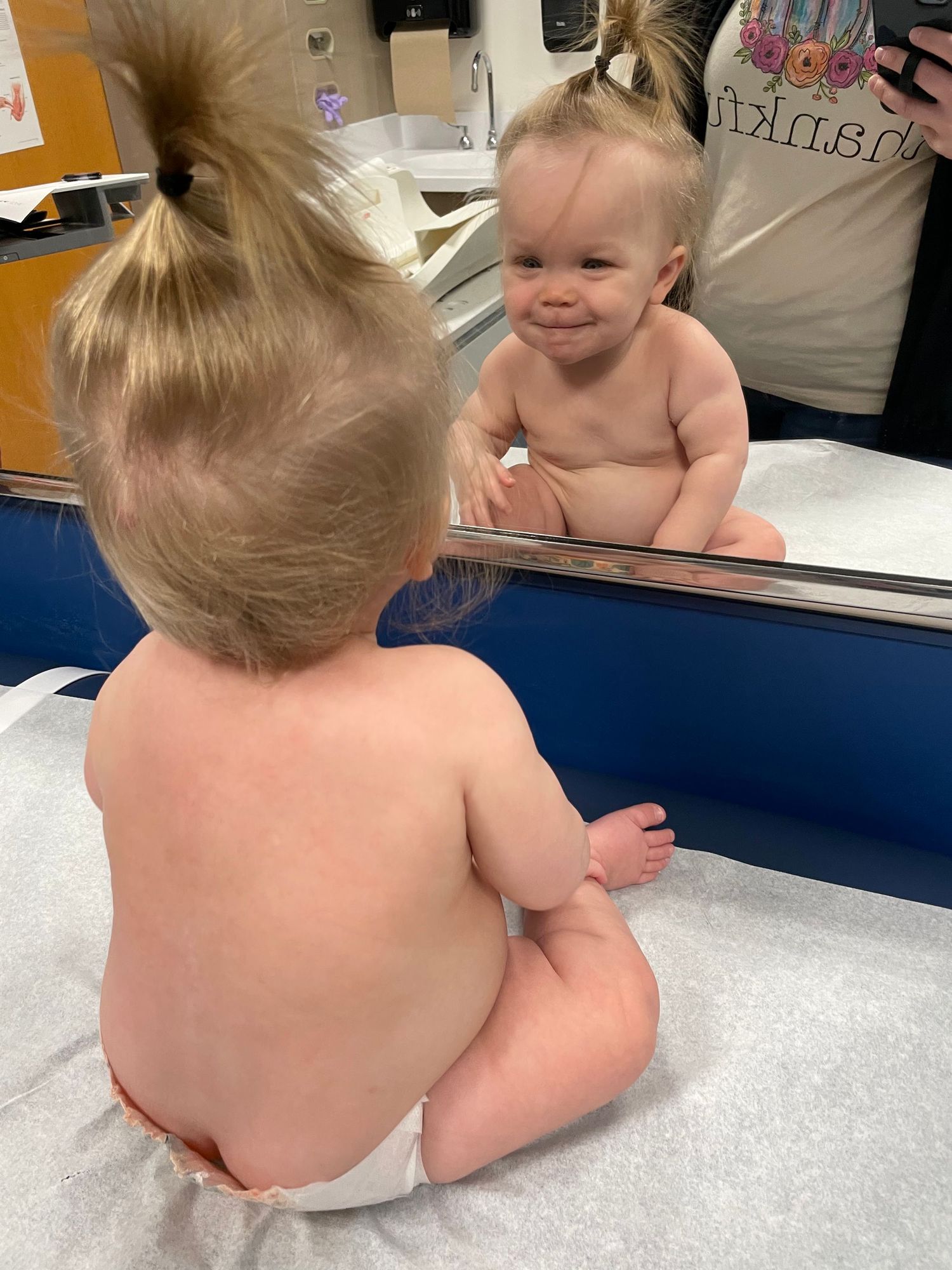
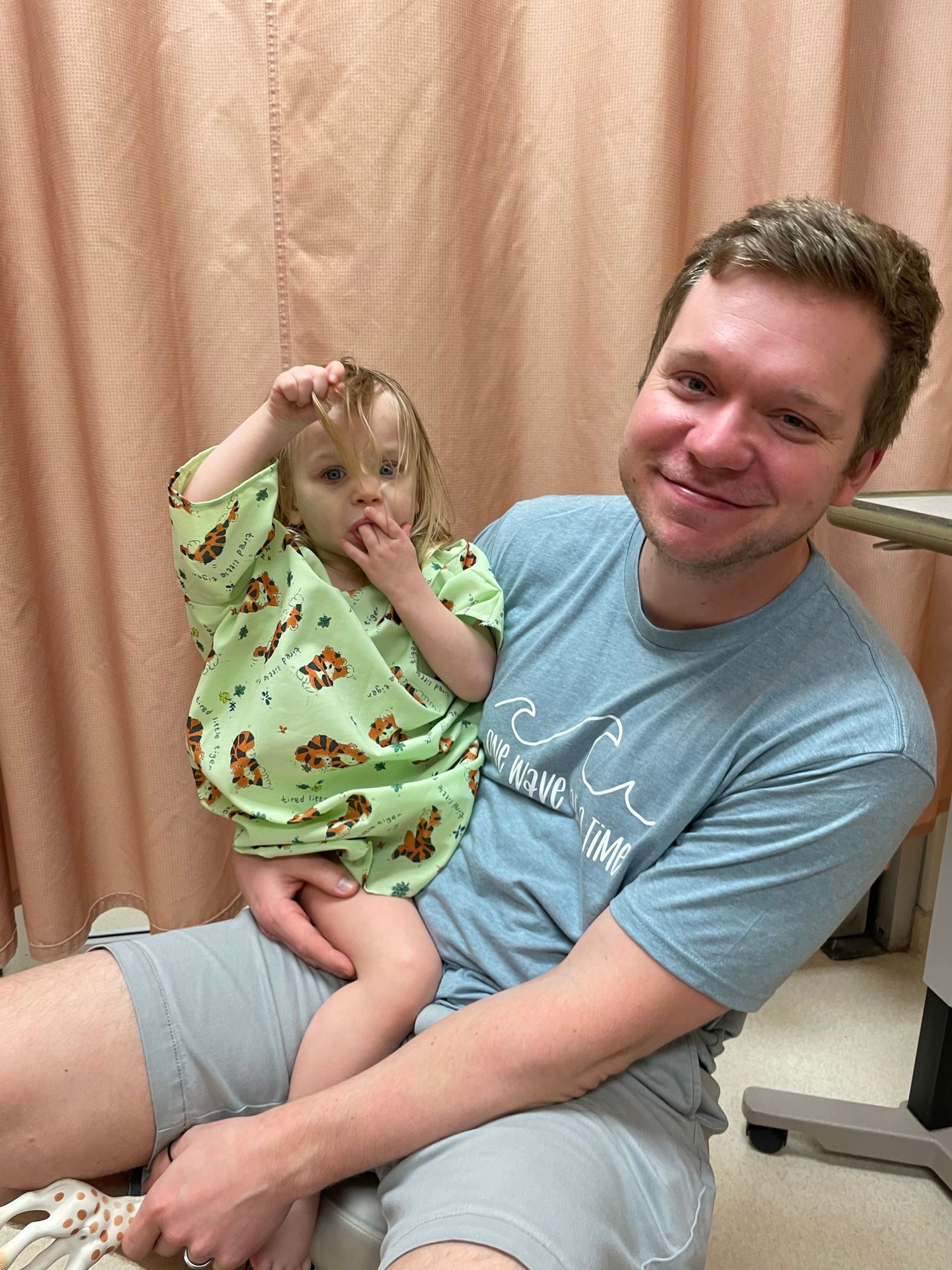
Genetic testing day
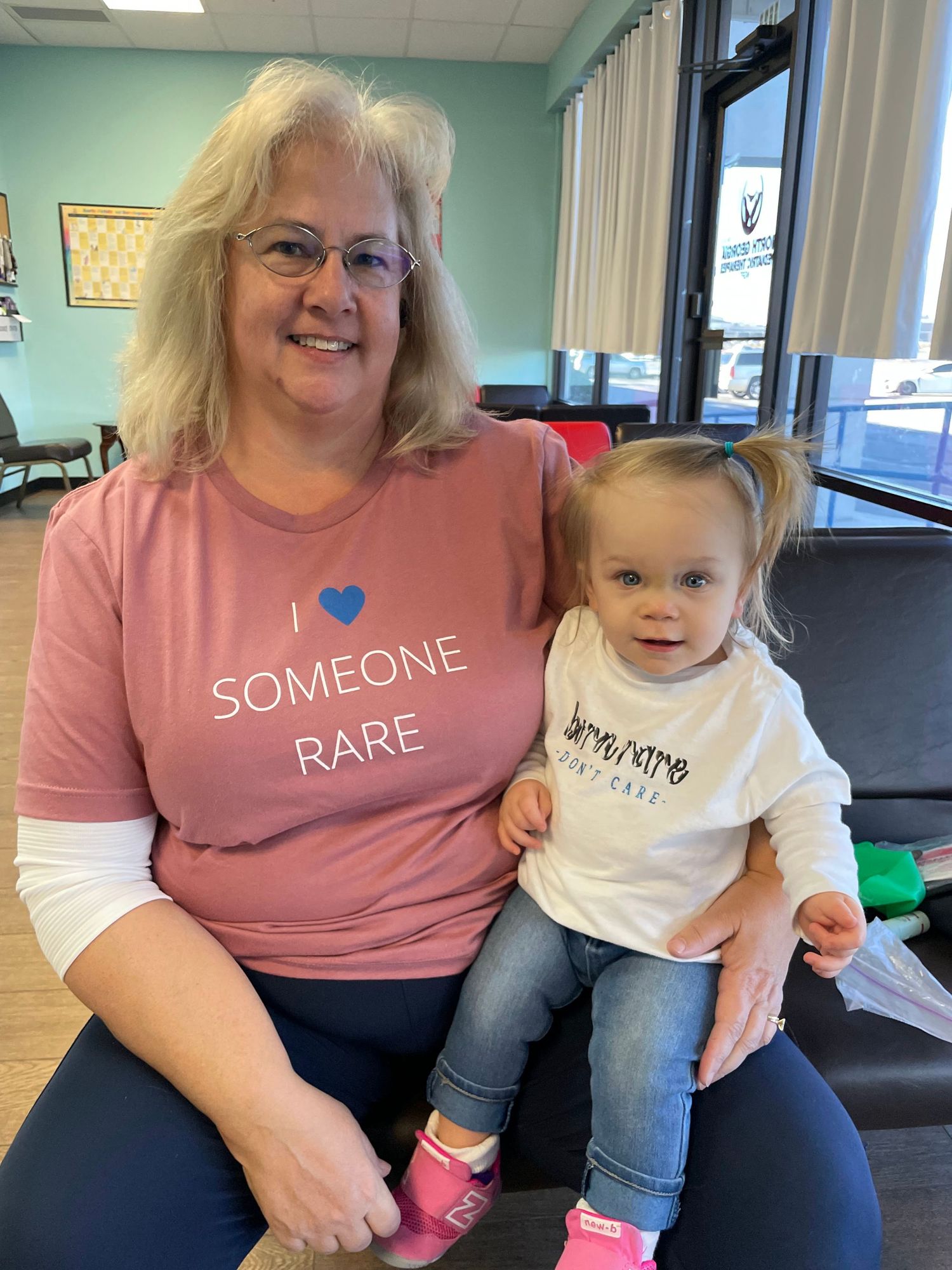
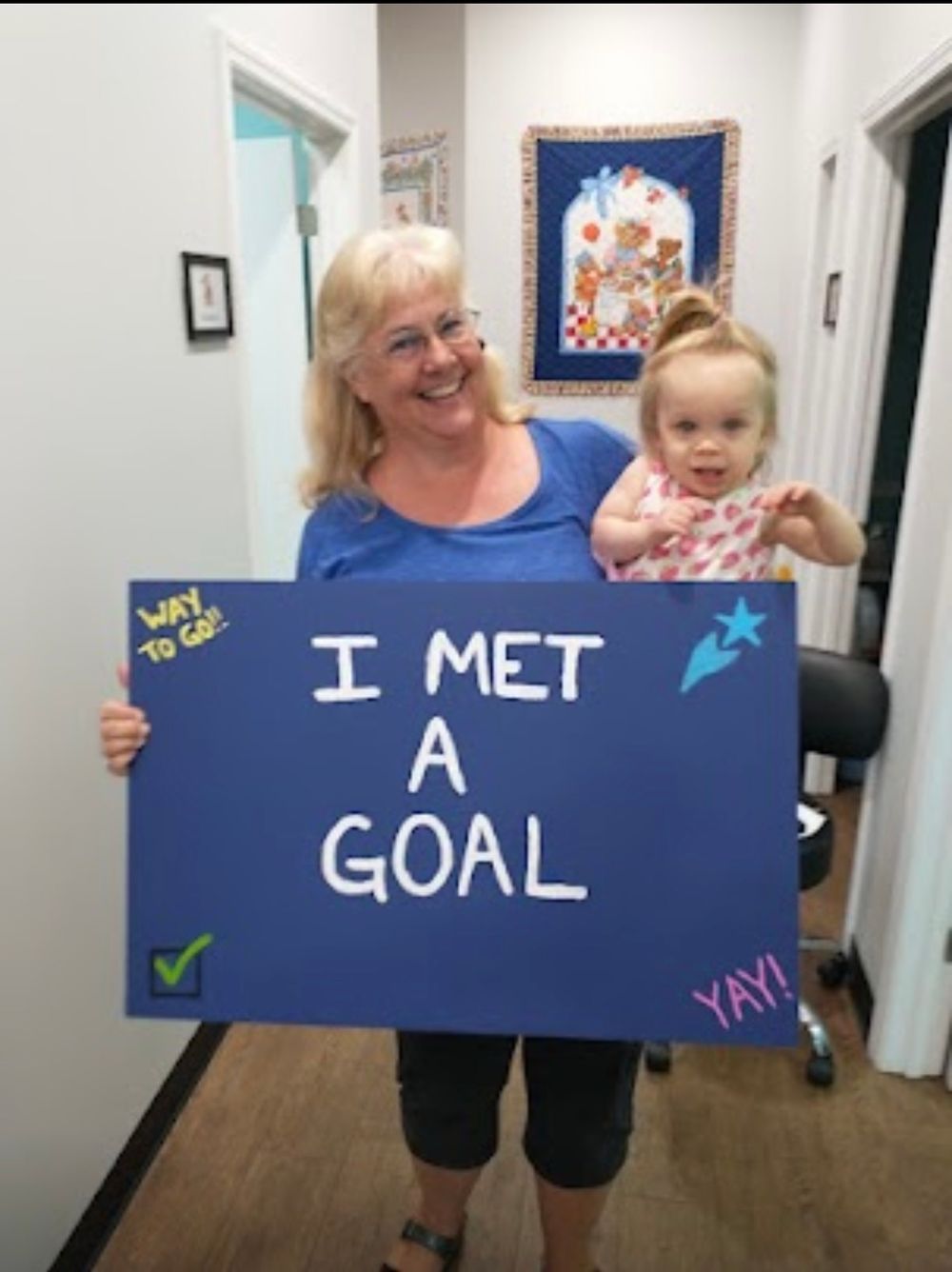
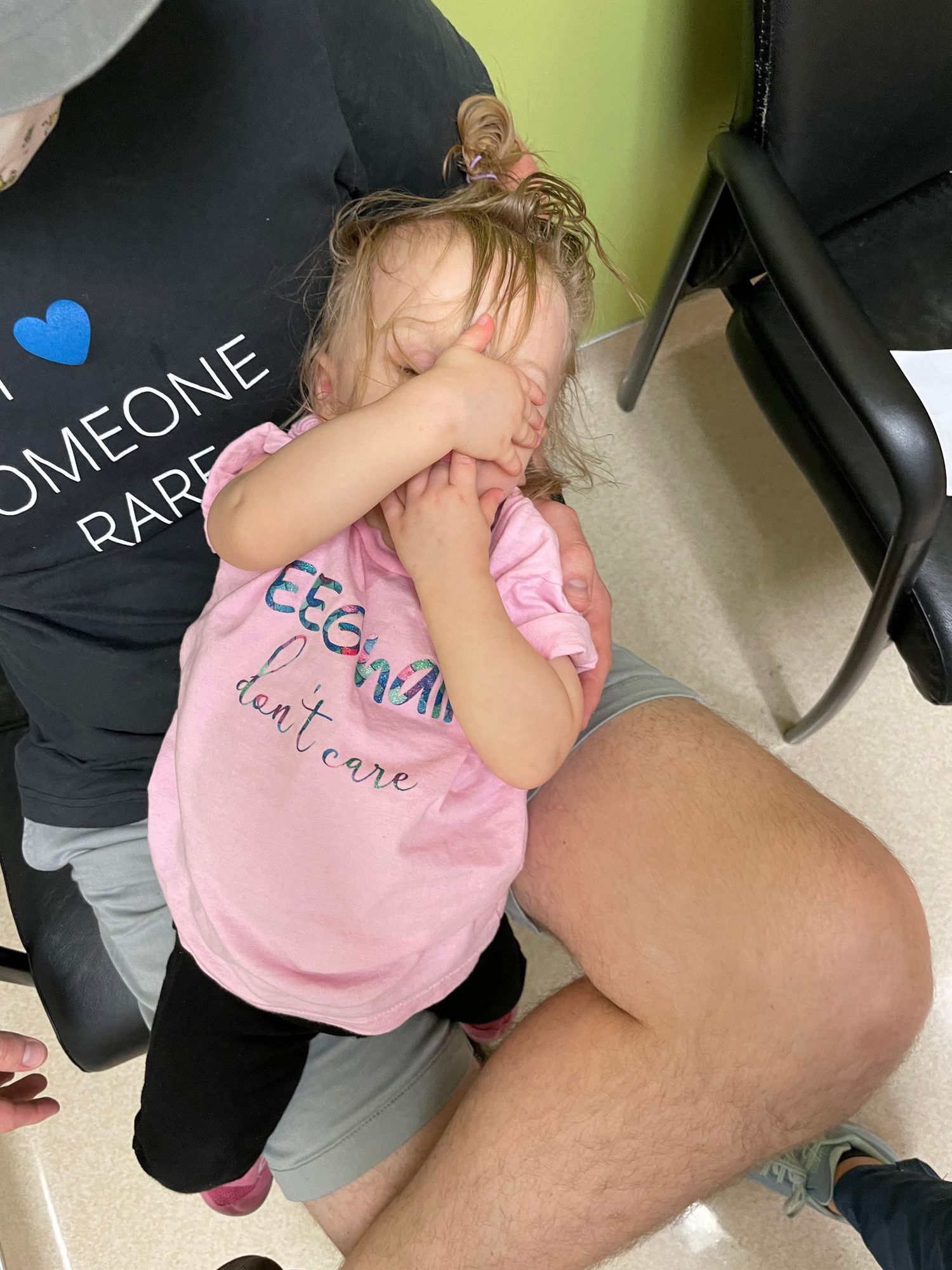
Dr. Shae Minnick PT DPT aka Shae Shae supporting EC with her I Love Someone Rare shirt made by Inkelope printing company
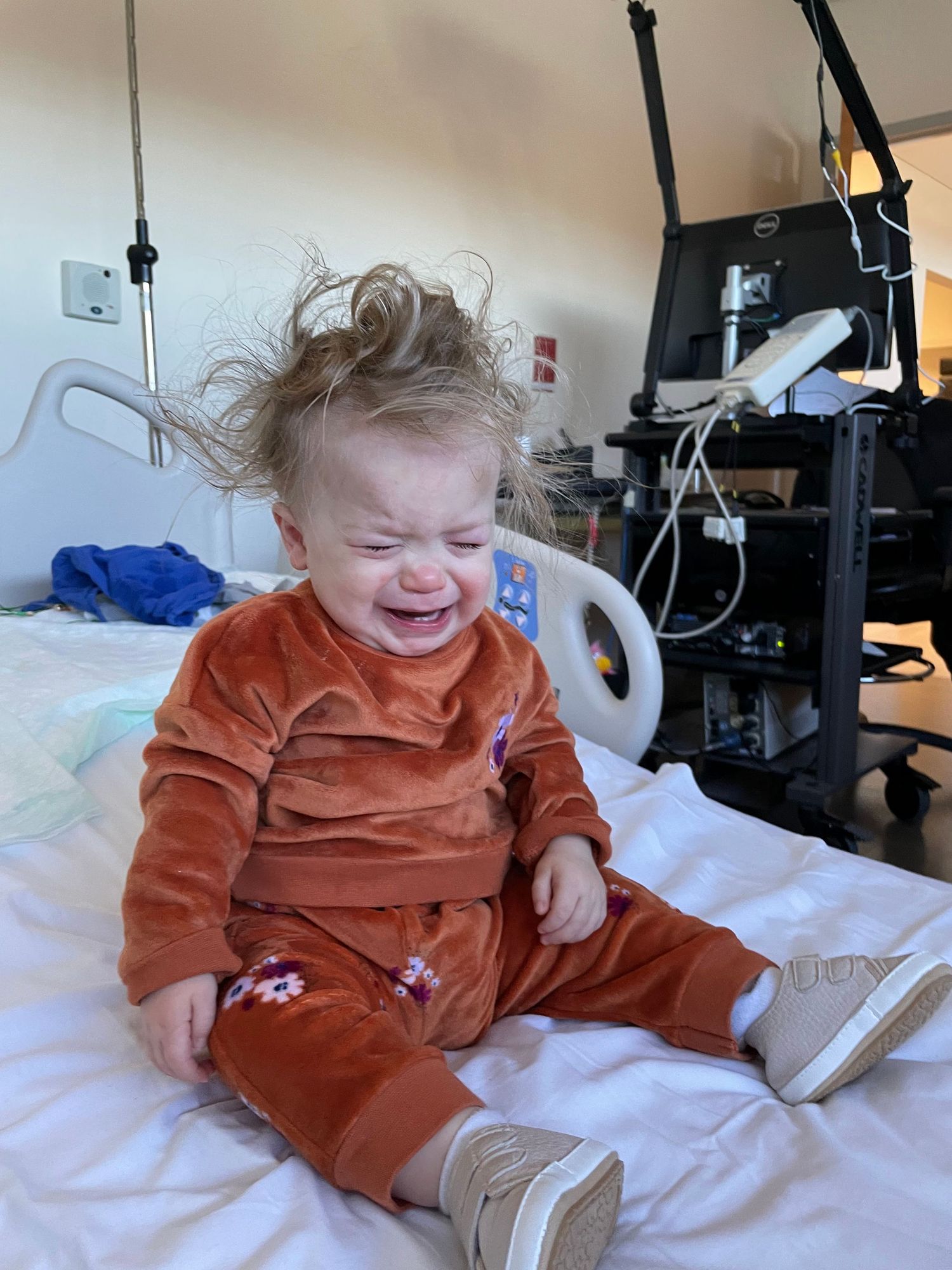
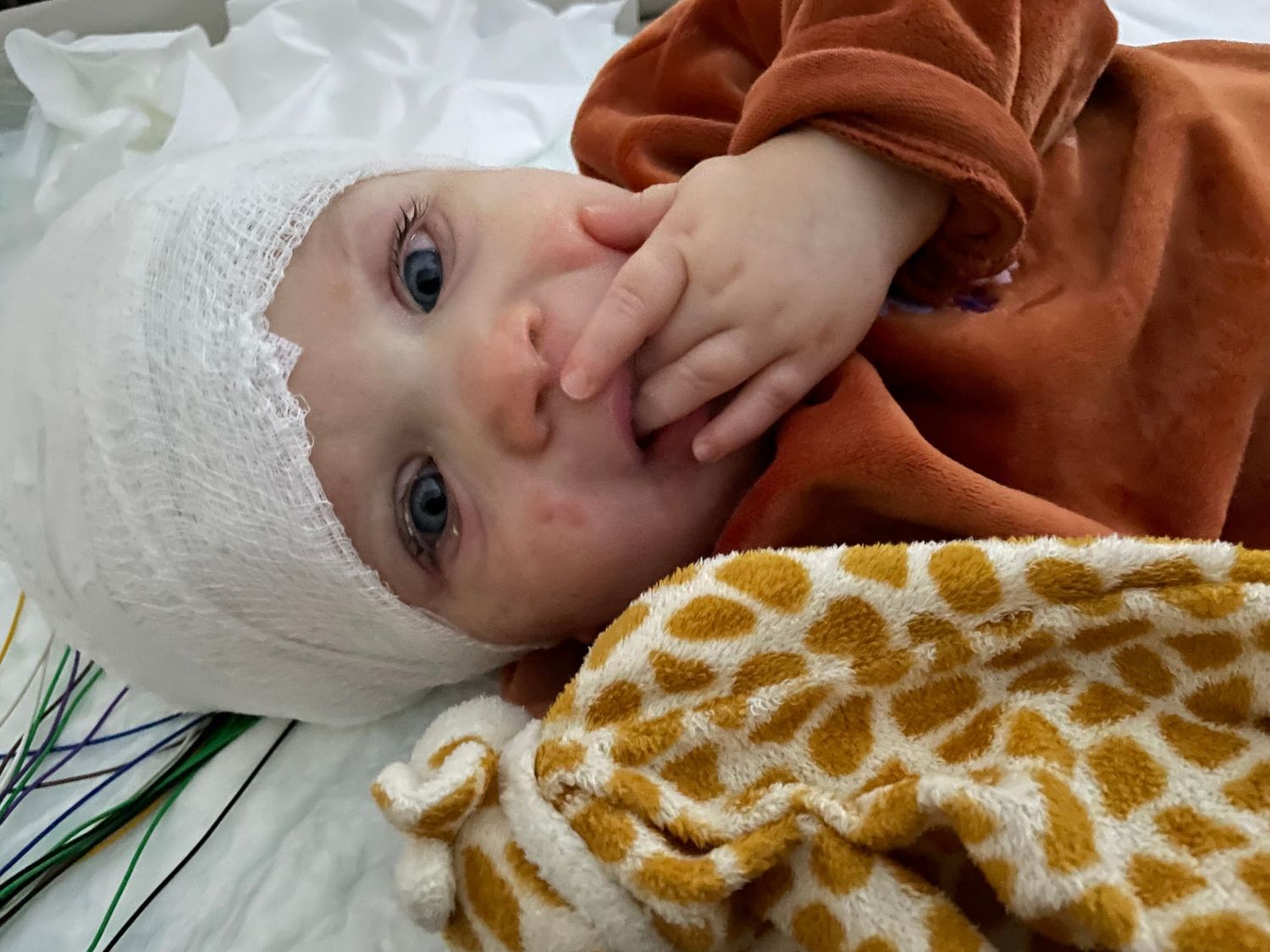
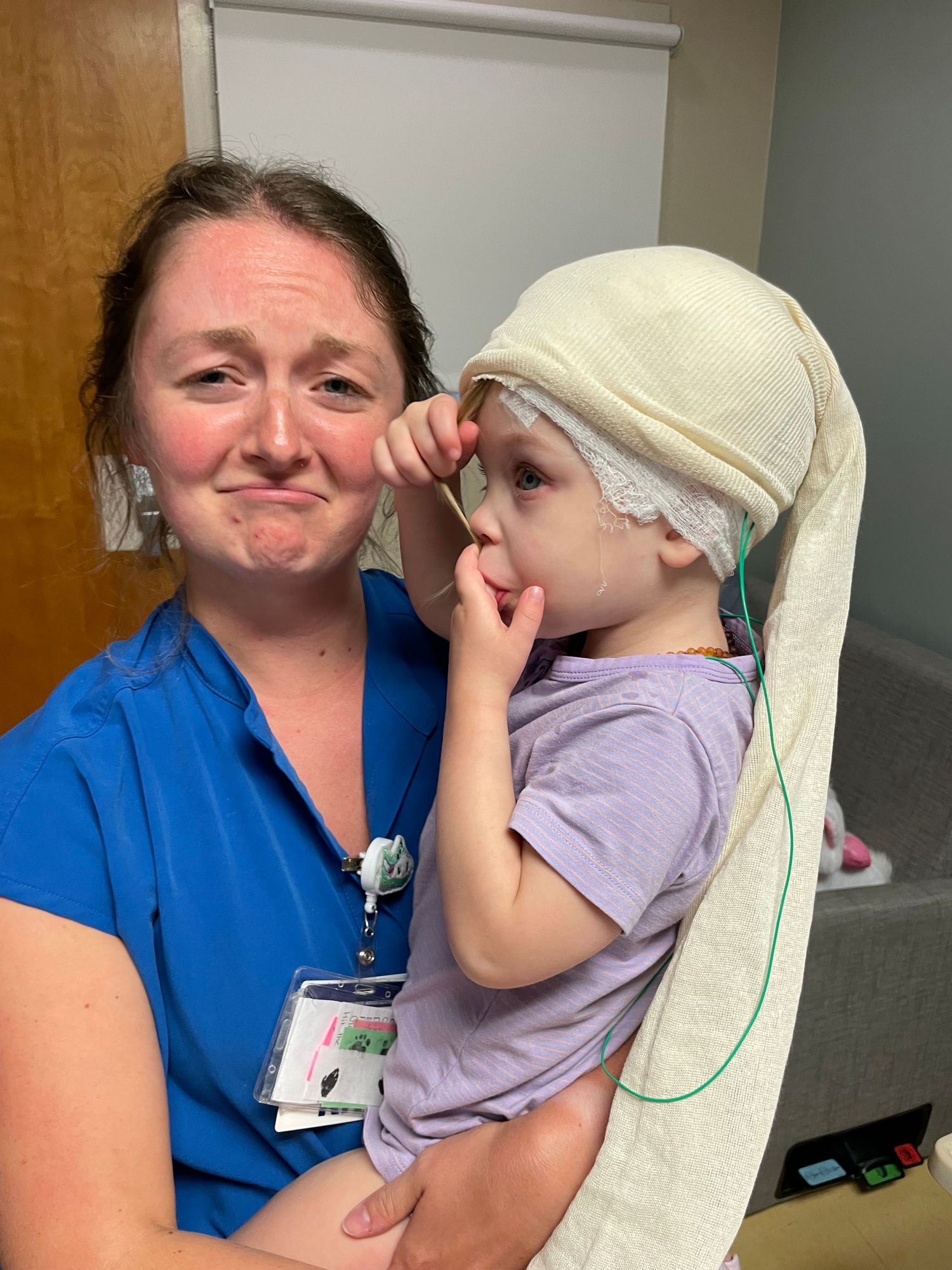
First EEG
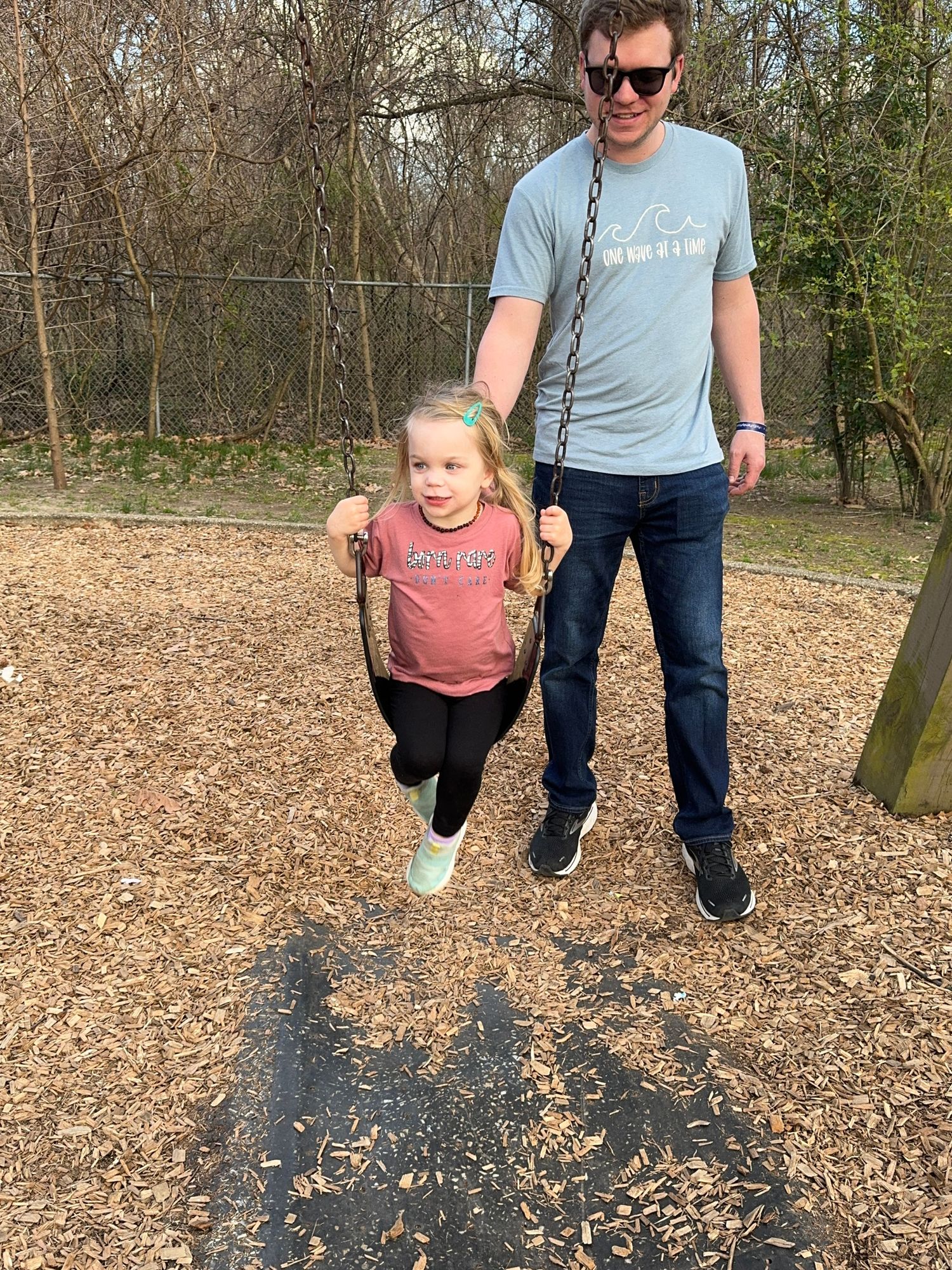
Born rare, dont care & One wave at a time shirts
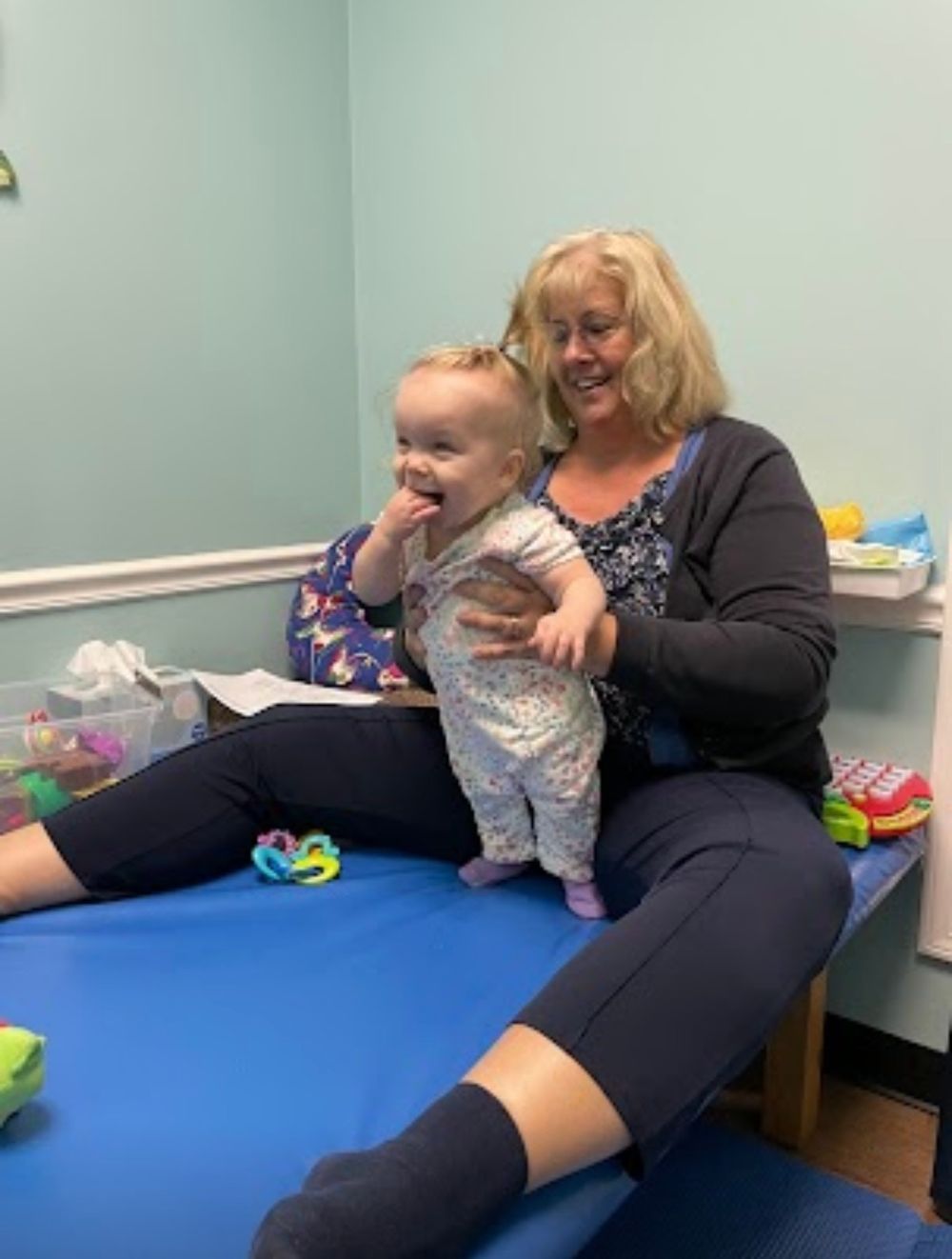
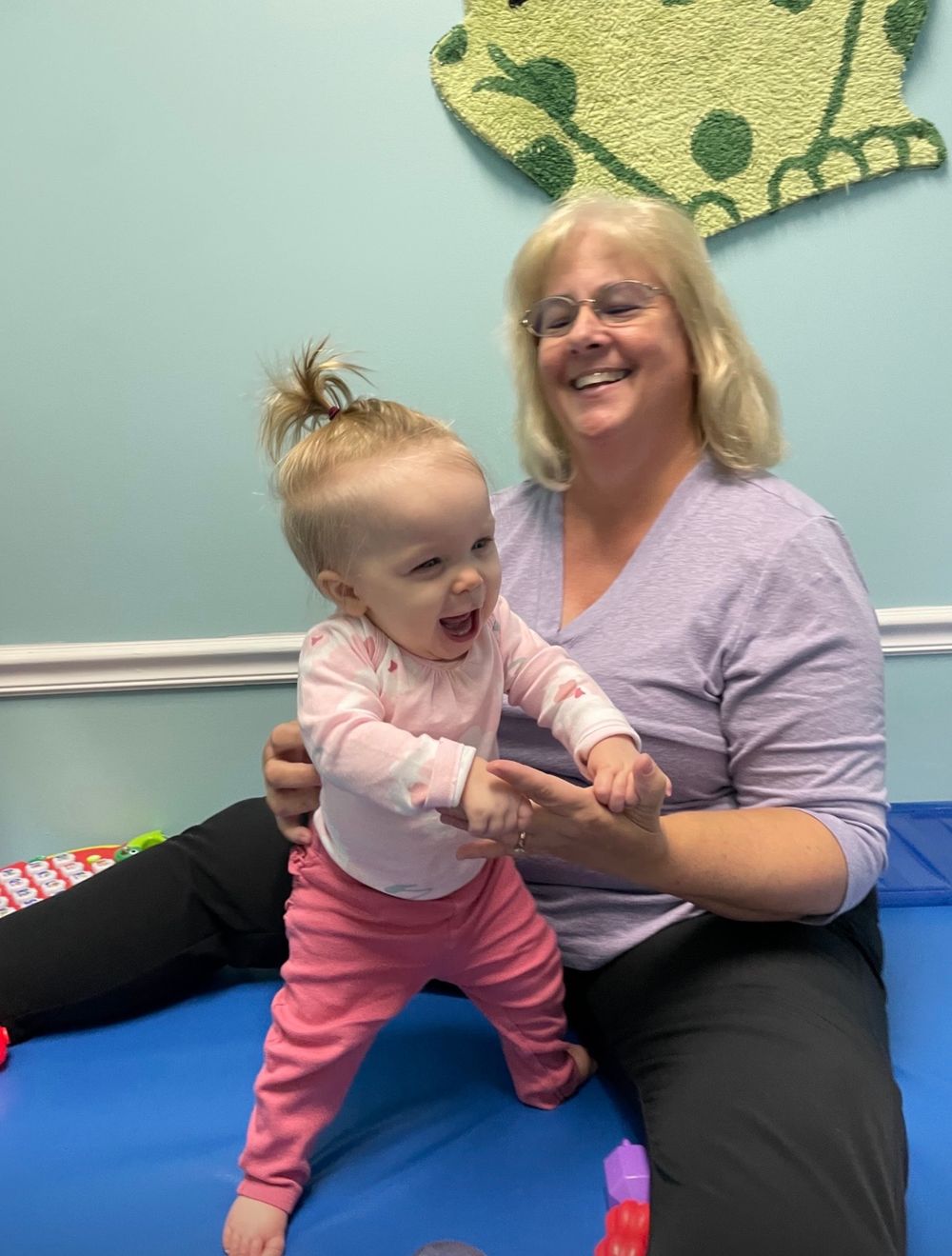
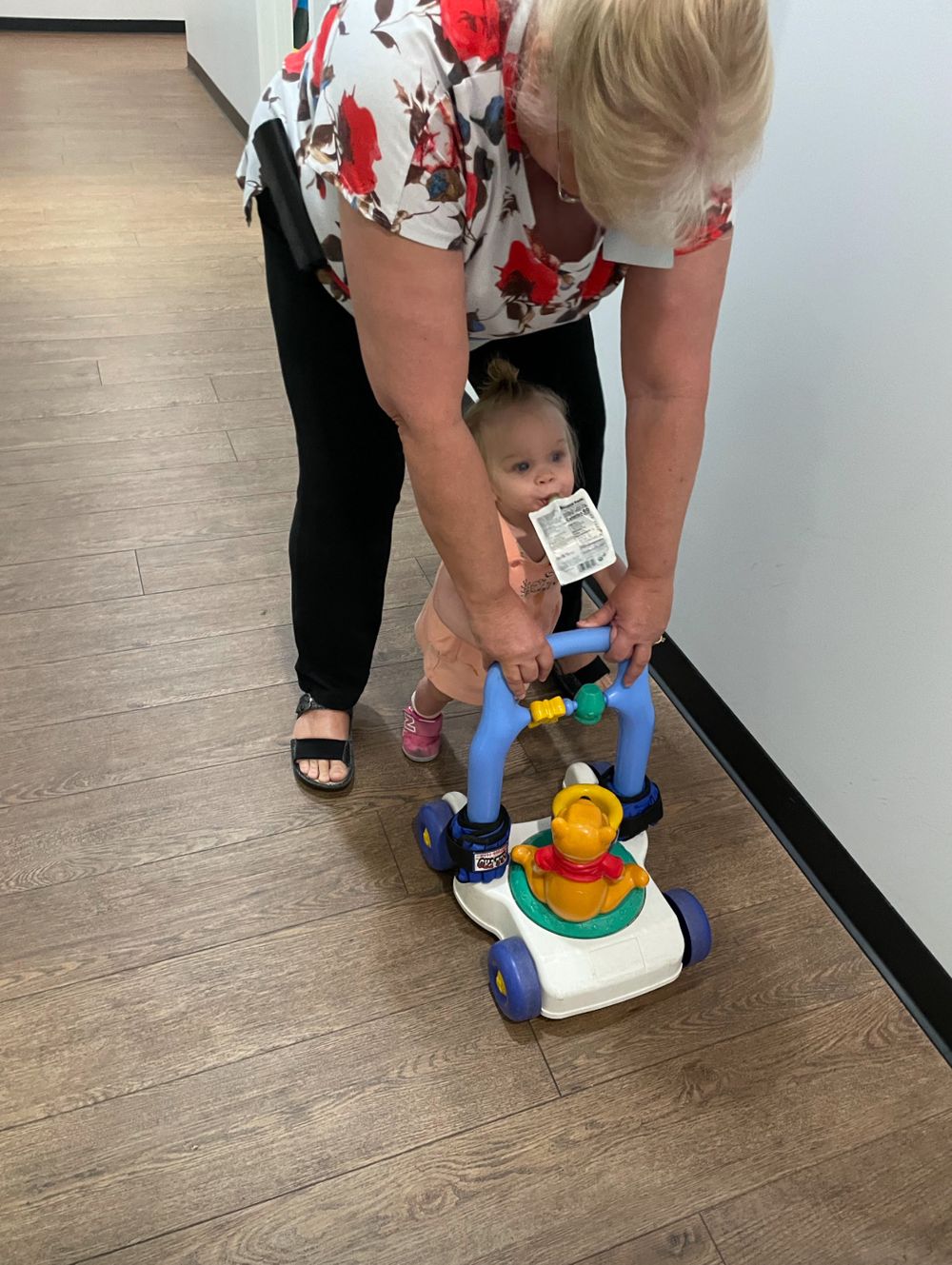
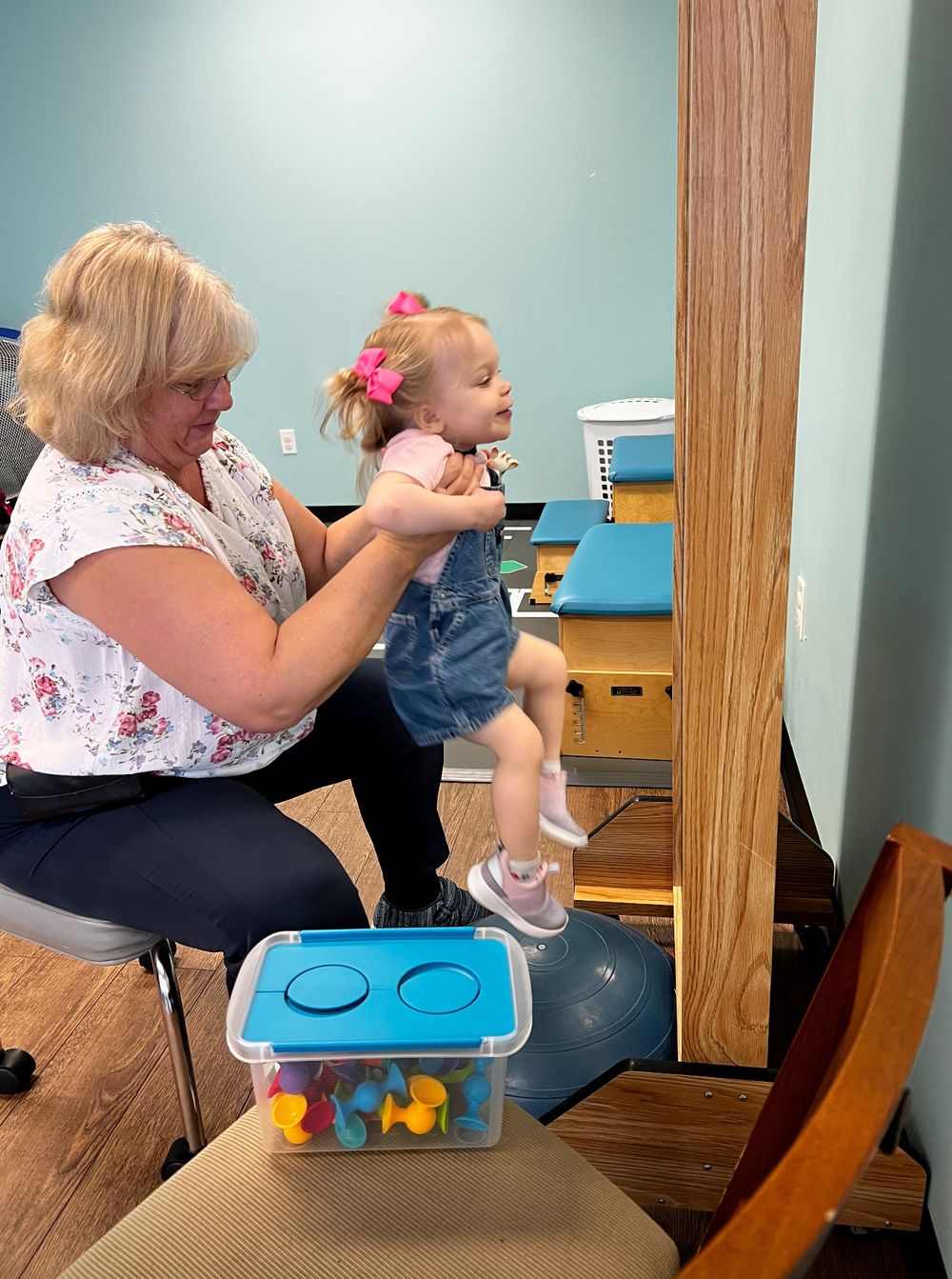
Training hard @ NGPT with her "Shae SHae" Dr. Shae Minnick, PT DPT
Emma Claire’s Diagnosis Journey
Emma Claire wasn’t sitting up unassisted at her 6-month checkup. We worked on it, and I remember being so proud to report at her 9-month checkup that she was officially sitting! But while we had been mastering sitting up, the developmental target had moved—now she wasn’t hitting her 9-month milestones. Our doctor suggested an evaluation through Babies Can’t Wait to see if she needed therapy. (In Tennessee, this is known as the Tennessee Early Intervention System (TEIS).)
At her evaluation, conducted by a physical therapist and a nurse case manager, we were initially discouraged by her scores. However, we were reassured that she would get stronger with therapy. Her PT, Shae, mentioned that Emma Claire was what she called a "squishy baby", meaning she had low muscle tone. As a NICU/Peds nurse, I knew that low muscle tone wasn’t a good sign—it could indicate a neurological issue, muscular dystrophy, or another genetic condition.
To be cautious, we sought referrals for neurology and genetics. I was shocked when I was told the next available appointments were four months (neurology) and seven months (genetics) away. We got on the waitlist for both and prayed for cancellations.
A few weeks later, genetics called with a last-minute cancellation—THANK YOU, LORD!
The geneticist only had low muscle tone and delayed milestones to go off of at first. However, during the assessment, we remembered she had a few pale spots on her skin. When she was born, we had asked about them but never got a clear answer—even from the dermatologist!
The geneticist decided to test for TSC but wasn’t certain since Emma Claire had never had seizures, EEGs, or MRIs. We kept our fingers crossed.
On her first birthday, I got a call from the genetics counselor. The doctor wanted us to come in to review the results and discuss next steps. I remember exactly where I was, who I was with, and what we were doing when that call came.
For six days, we waited for potentially life-changing results. Six days feels like forever when you’re waiting.
December 20, 2021
That day was emotional and stressful. I didn’t cry until I called my best friend on the way to PT. Therapy was right after genetics, but I had to pull into a Walgreens parking lot because I couldn’t see the road through my tears. It's crazy how memories are triggered just by seeing that Walgreens. We made it to PT, and I broke down again while telling Shae (her PT). She cried with me, prayed with me, and held me.
Honestly, the rest of the day is a blur. I don’t remember anything past her therapy appointment. If someone has TSC, there is a 50% chance of passing it on to their child. I was nine weeks pregnant with Jack when we found out about EC’s diagnosis, which added an entirely new level of fear and uncertainty. Austin and I both underwent genetic testing for the TSC2 mutation that EC has, as well as testing for mosaic TSC (a condition where some cells carry the mutation, but the individual does not have full-blown TSC). Thankfully, both tests came back negative!
To be as certain as possible that we wouldn’t unknowingly pass TSC to another child, we had Jack and Owen tested—twice. While no test is 100% definitive, we are incredibly grateful for the reassurance these results provided.
Treatment & Management
While there is no cure, treatments help manage symptoms and improve quality of life:
✔ Seizure Medications – Anti-epileptic drugs, including Epidiolex (CBD-based).
✔ mTOR Inhibitors (Everolimus, Sirolimus) – Help shrink tumors and manage organ complications.
✔ Therapies & Support – Speech, occupational, behavioral, and physical therapy.
✔ Regular Monitoring – Routine MRIs, ultrasounds, and specialist visits.
💙 Emma Claire has been on seven different seizure medications in various combinations. Right now, she takes Epidiolex, Vigabatrin, Everolimus, Onfi, and Phenytoin.
Her seizures are mostly under control—only occasional clusters of short seizures. We are incredibly thankful because, at one point, we were giving rescue meds 1-3 times a day. We kept a seizure log to track frequency, patterns, and triggers to help manage them as best we could.
💙She has been in therapy since we first discovered her delays. She currently receives speech therapy, feeding therapy, occupational therapy, physical therapy, and applied behavior analysis (ABA) therapy. We have been incredibly blessed by her therapists at North Georgia Pediatric Therapies and Siskin Children's Institute.
To give her more structure and social opportunities, we placed her in early learning centers, where she can learn and model from peers. Her current school does not have a nurse, so we had to fight for insurance to cover a private duty nurse so she could safely receive tube feeds and medications. She also requires one-on-one support for safety awareness and to monitor subtle seizures that could be missed without constant supervision.
💙She sees local doctors at Erlanger Children's Hospital here in Chattanooga, but for specialized TSC care, we travel to LeBonheur Children's Hospital (Memphis, TN) and Cincinnati Children's Hospital, both TSC Centers of Excellence. We are fortunate to have access to these hospitals and the incredible specialists there.
Over time, Emma Claire has seen:
🩺 3 neurologists
🧬 3 geneticists
🧸 2 developmental pediatricians
🩹 2 dermatologists
👀 2 ophthalmologists
⚕️ nephrologist
⚕️ cardiologist
⚕️ gastroenterologist
⚕️ dietician
⚕️ psychologist
⚕️ hematology/oncology
She has undergone:
📍 3 MRIs
📍 1 MEG scan
📍 6 ultrasounds
📍 2 echocardiograms
📍 4 swallow studies
📍 4 ER visits
📍 9 EEGs
📍 4 surgeries
📍 3 EKGs
📍 2 upper endoscopies
📍 2 lower endoscopies
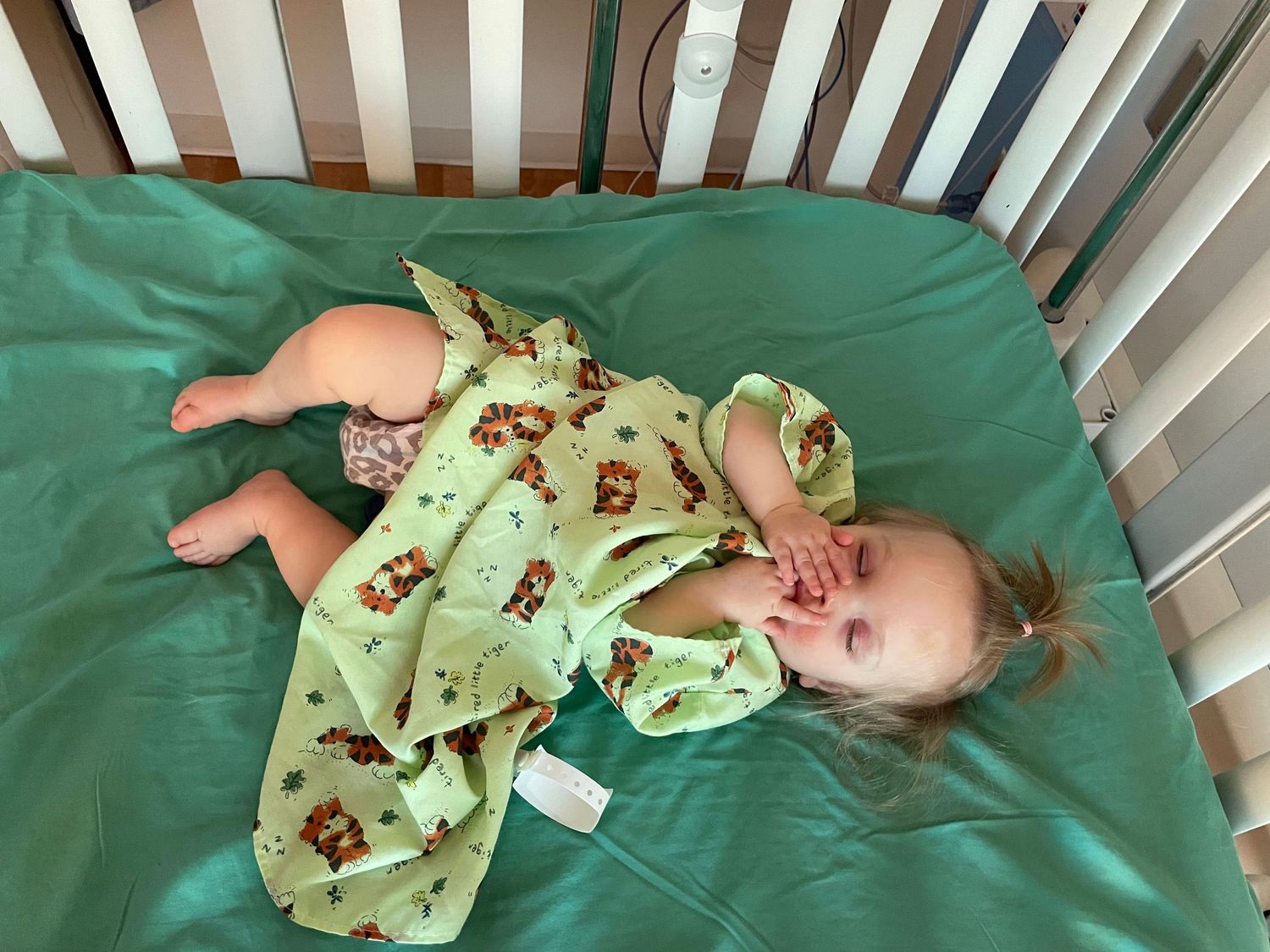
📍 11 days in the hospital for EMU (Epilepsy Monitoring Unit)
📍 11 more days in the hospital for PICU, the floor, and ER stays due to G-tube complications, aspiration pneumonia, and pancreatitis.
📍 Countless labs and IVs
And STILL, she smiles! 💙
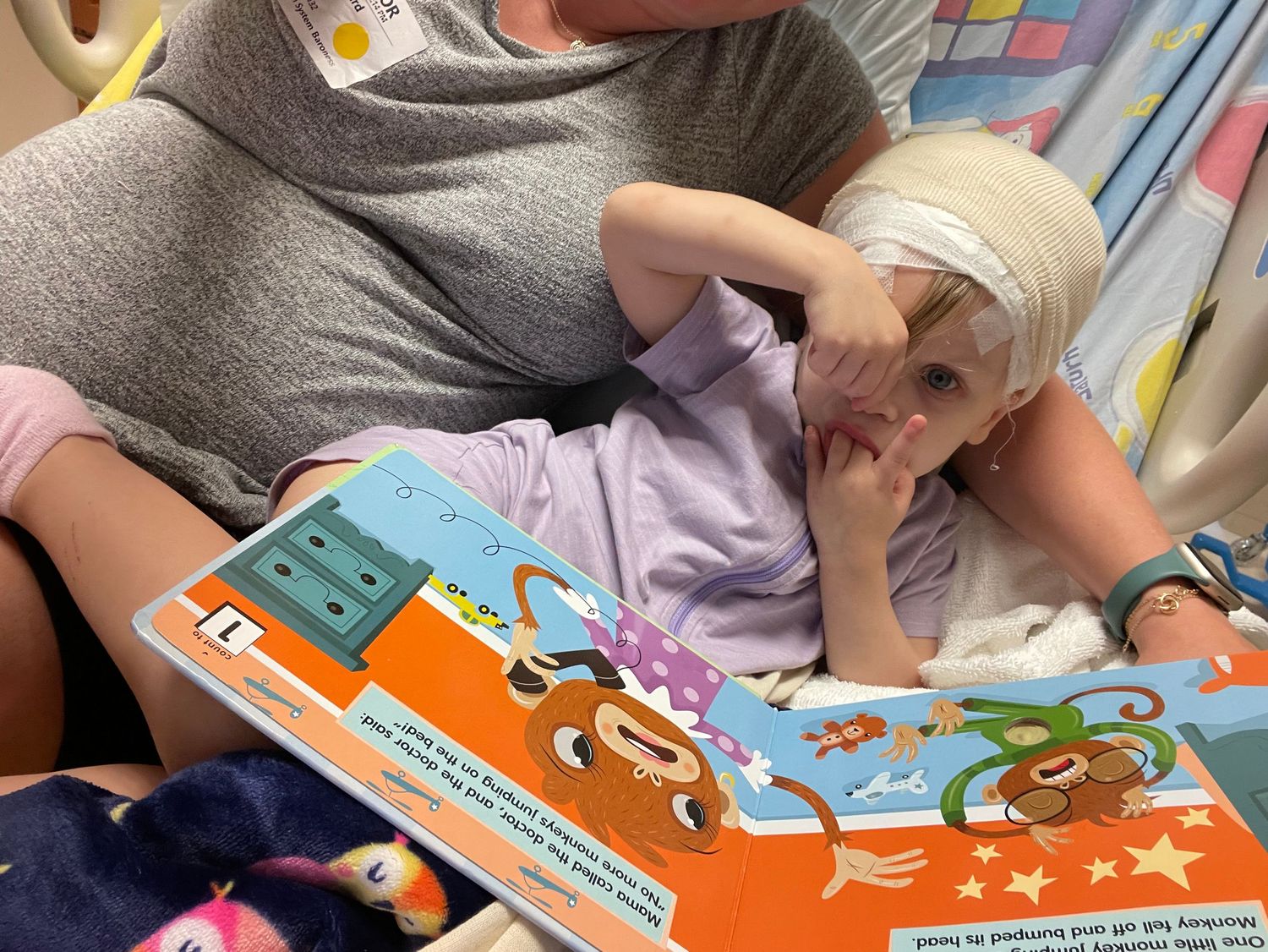
Thank goodness for her self-soothing!
We quickly learned to keep a bit of hair out of her eeg wrap or we would regret it
💙 From therapists to doctors, case managers, and everyone in between, we have been so blessed by the people placed in our path who help us advocate for the best for our girl. She has had loving, nurturing, and inclusive teachers who have felt like family, and friends in her classroom who look out for her (sometimes a little too much!). They show genuine care and concern for her, especially during medical challenges like seizures, feeding tolerance issues, tube feedings, and medication administration. I cannot express how much this touches my mama heart.
I never imagined I would fear whether my child would have friends at school, but I am beyond grateful for her incredible peers.
We have friends and family who have been our lifeline in emergencies, helped take care of the kids, given us occasional date nights, and stepped in wherever needed—simply out of kindness and their genuine love for our daughter. We wish EC weren’t medically complex, but we see the Lord working through her every single day, and she brings so much joy to everyone she meets even with everything she has to deal with. She is our hero.
🌊There are hard days, and there are beautiful ones. Some days the weight of it all feels overwhelming, but we have learned to take it one wave at a time. Through every high and low, we hold onto faith, gratitude, and the love of those around us.
💙 NEVER A TRUER STATEMENT—IT TAKES A VILLAGE. Thank you so much—we love you!
Why Awareness Matters
🚨 Many people go undiagnosed for years, leading to delayed treatment.
💙 Increased awareness leads to earlier intervention, more research funding, and improved treatments.
If we hadn’t gotten her tested, we would have been oblivious to her TSC for another 48 weeks and 2 days—until her first seizure at school.
During those 48 weeks, Emma Claire:
✔ Started speech therapy
✔ Was diagnosed with aspiration → Began feeding therapy and thickened liquids
✔ Started Vigabatrin to hold off seizures
Without these interventions, her future could have been severely impacted.
Have Questions?
If you have any questions about Tuberous Sclerosis Complex (TSC) or Emma Claire’s journey, I’d love to help in any way I can. Spreading awareness and supporting others navigating this diagnosis is so important to us. Feel free to reach out—no question is too small! 💙
💙Helpful Resources
📌 Tuberous Sclerosis Alliance – www.tsalliance.org
📌 Clinical Trials & Research – www.clinicaltrials.gov
